Commercial Auto Insurance for Contractors, Dallas TX
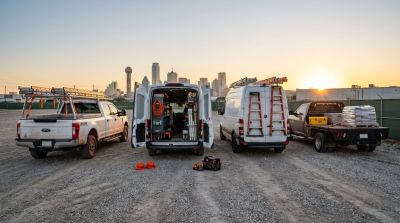
Protect Your Work Trucks, Vans, and Trailers with Coverage Built for the Trade
Your service truck is heading from Plano to a material pickup in Garland. Your apprentice has the company van loaded with tools on the way to a residential call in Richardson. All three vehicles are being used for business. None of them is covered by a personal auto policy.
Personal auto policies contain a business use exclusion that voids coverage for commercial use: hauling materials, transporting tools, or driving between job sites. If one of your drivers is in an accident while on the clock and you are relying on a personal policy, the insurer can deny the claim entirely.
Thumann Agency has been insuring contractor vehicles across Dallas and DFW since 1996. As an independent broker with access to 80+ top-rated carriers, we build commercial auto programs that fit the vehicles you operate and the certificate requirements your clients demand.
Get a Free Contractor Commercial Auto Quote | (972) 991-9100
Why Dallas Contractors Choose Thumann Agency for Commercial Auto
-
80+ Carrier Options so your work vehicles get priced across carriers that actually specialize in contractor fleets, not a single rate
-
Same-Day COI Delivery with commercial auto listed, for GC requirements, permit applications, and bid qualifications
-
Coverage Matched to Your Trade single work truck, multi-van service fleet, or trailer-heavy operation, all reviewed as one program
-
Dallas Trade Market Specialists, Since 1996 who understand North Texas route exposure, contractor certificate standards, and what your GC needs on the certificate
-
Annual Fleet Reviews Included so your coverage keeps pace as your vehicle count, driver roster, and project radius grow
Why Dallas Contractors Trust Us
Thumann Agency has earned 125 client reviews with a 4.7/5 star rating. We hold active BBB Accreditation in Dallas, TX, a Trusted Choice membership, and a 2024 Expertise.com designation as a Top Dallas Insurance Agency. Our clients include contractors, tradespeople, and construction companies across DFW who came to us for commercial auto coverage and stayed because every certificate, every endorsement, and every renewal is handled without delay.
“The professional staff has provided nothing but confidence... a long-lasting partnership.” - Betty Maultsby, Larkspur Landscape Design, LLC
“She put together my portfolio in about a week and a half, patiently answered my questions and gave thoughtful guidance. I foresee a long relationship.” - Eric Clendenin, NTX Building Products
“There is a spirit of excellence that seems to run through the company at all levels.” - Cliff Prescott, Fattowels Inc.
“I've been with the agency over 5 years and I've never had a bad experience. My phone calls are always returned in a timely manner.” - Johnerta T., Dallas, TX
Why Your Personal Auto Policy Does Not Cover Your Work Truck
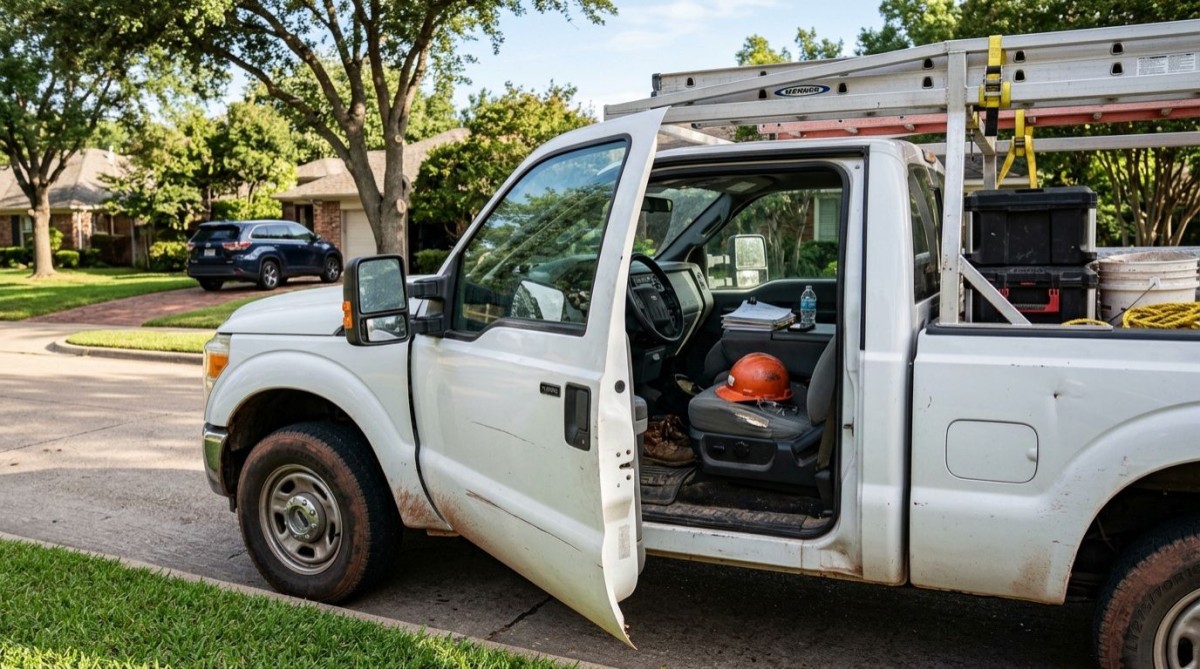
Personal auto insurance is designed for personal use. When you use a vehicle for business, including driving to job sites, hauling materials, transporting employees, or carrying tools and equipment, you are outside the coverage territory of a personal policy.
Every personal auto insurance policy contains a business use exclusion. The language varies by carrier but the effect is consistent: if your insurer determines that a vehicle was being used for commercial purposes at the time of a claim, they have grounds to deny it. That means you pay out of pocket for vehicle repairs, the other driver's damages, medical bills, and any resulting lawsuit. For a Dallas contractor driving a $55,000 truck loaded with $25,000 in tools, that exposure can be financially ruinous.
Commercial auto insurance is specifically designed and priced for vehicles used in business operations. It covers the same categories as a personal policy, including liability, collision, and comprehensive, but applies to commercial use and is underwritten around the actual risk profile of contractors who drive for work every day.
The premium difference between personal and commercial auto coverage is real but not dramatic for most contractors with clean driving records. The financial exposure of going without commercial coverage is catastrophic when a claim occurs. No Dallas contractor running vehicles for work should be relying on a personal policy.
What Commercial Auto Insurance Covers for Dallas Contractors
Commercial Auto Liability
Liability coverage pays for bodily injury and property damage you cause to others in an accident. Texas state law requires minimum liability coverage of 30/60/25 ($30,000 per person, $60,000 per accident for bodily injury, $25,000 for property damage) for commercial vehicles. For contractors, this state minimum is dangerously low.
A loaded work truck or van involved in a serious accident on I-35E or I-635 can cause far more damage than a passenger sedan. Medical costs alone from a serious injury can exceed the state minimum in a single incident. Most general contractors in Dallas require subcontractors to carry a $1 million combined single limit (CSL) on their commercial auto certificate before allowing them on a job. Many commercial property managers and clients require the same. We match your liability limits to the contract requirements of the work you do.
Collision Coverage
Collision coverage pays to repair or replace your vehicle when it is damaged in an accident with another vehicle or object, regardless of who is at fault. For contractors whose work vehicles are essential to daily operations, collision coverage is the most direct protection against having your business shut down because a truck is in the shop with no coverage to fund the repair.
Comprehensive Coverage
Comprehensive coverage protects your vehicles from non-collision events: theft, vandalism, fire, hail, falling objects, and weather-related damage. In Dallas, comprehensive coverage is not a theoretical consideration. North Texas hailstorms regularly cause significant damage to vehicles parked at job sites, staging areas, and equipment yards. Tool theft from contractor vans and trucks is a persistent problem across the Dallas metro. Comprehensive coverage ensures these losses do not come directly out of your cash flow.
Hired and Non-Owned Auto Coverage (HNOA)
If your employees ever drive their personal vehicles for work-related purposes, such as picking up materials, meeting a client, running to a permit office, or making a supply run, your business is liable if they cause an accident during that errand. Their personal auto policy will apply first, but if the damages exceed their limits, your business faces exposure.
Hired and non-owned auto coverage (HNOA) fills this gap. It covers your business's liability when employees use personal vehicles for work, and when your business rents or borrows vehicles. For contractors who do not own a dedicated fleet but whose employees regularly drive their own trucks for work-related tasks, HNOA is an essential and relatively inexpensive addition to the commercial auto program.
Uninsured and Underinsured Motorist Coverage
Texas has a substantial percentage of uninsured drivers on its roads. If one of your work vehicles is hit by an uninsured driver, uninsured motorist coverage ensures your business is not absorbing the cost of vehicle repairs and medical expenses because the at-fault driver had no coverage. Underinsured motorist coverage extends this protection to situations where the at-fault driver has insurance but not enough to cover the full damage.
Medical Payments Coverage
Medical payments coverage pays medical expenses for you and your passengers after an accident, regardless of fault. For contractors who regularly transport employees or subcontractors between job sites, this coverage provides a rapid payment mechanism for medical costs without waiting for a liability determination to resolve.
Trailer Coverage
Many Dallas contractors pull trailers: flatbeds carrying equipment and materials, enclosed cargo trailers with tools and supplies, landscape trailers, equipment trailers for excavators or compact skid steers, and specialty trailers for pool equipment, concrete supplies, or alarm system hardware. A trailer is not automatically covered under your commercial auto policy. It must be specifically scheduled on the policy to be covered.
An unscheduled trailer involved in an accident, stolen from a job site, or damaged in a hailstorm generates a loss your commercial auto policy may not respond to. We review your trailer inventory and ensure every trailer your business uses is properly scheduled and valued on your policy.
Rental Reimbursement Coverage
If your work truck or service van is out of commission following a covered accident and is being repaired, rental reimbursement coverage pays for a replacement vehicle while yours is in the shop. For contractors whose daily operations depend on having a specific vehicle available, the cost of renting a comparable truck or van out of pocket during a repair period can be substantial. Rental reimbursement coverage eliminates that out-of-pocket gap.
Loading and Unloading Liability
Contractor vehicles are constantly being loaded and unloaded: materials delivered to job sites, tools pulled from van shelving, equipment moved on and off trailers. Accidents during loading and unloading are common, and they are specifically excluded from many personal auto policies. Commercial auto coverage extends to loading and unloading operations, covering incidents where materials fall off a truck, a load shifts and causes damage, or an employee is injured during the loading process.
Commercial Auto Coverage by Contractor Trade in Dallas
Every trade uses its vehicles differently. Here is how commercial auto coverage applies across the contractor types we insure across DFW:
-
General contractors typically run multiple vehicles including project management trucks, crew transport vans, and heavy-haul vehicles for equipment and materials. Fleet commercial auto policies covering all vehicles under one program are the most cost-effective structure.
-
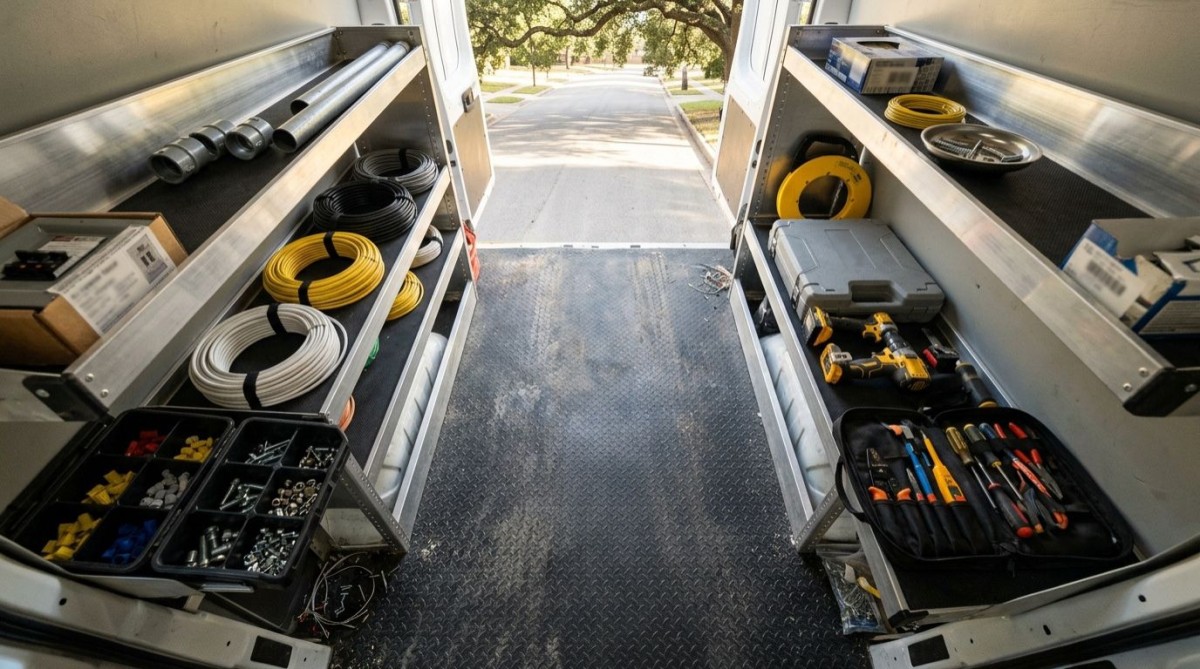
Electricians use service vans loaded with wire, conduit, panels, and specialized electrical tools. The van is both the tool storage and the transport. Comprehensive and collision coverage are essential, as is cargo liability if the van carries customer-owned materials.
-
Plumbers run service trucks carrying pipe, fittings, specialty tools like drain cameras and sewer machines, and water heater units. Weight and high-value equipment content make adequate physical damage limits important.
-
HVAC contractors operate vans and trucks carrying refrigerant, compressors, and HVAC units. Equipment weight and the value of HVAC components make this one of the higher-value vehicle loads in the trades.
-
Roofers typically run extended cab pickup trucks and larger haulers for materials, shingles, and equipment. Trailers carrying dumpsters or material lifts require separate scheduling on the policy.
-
Painters use vans and trucks carrying sprayers, scaffolding, ladders, and paint. Ladder racks and exterior-mounted equipment are covered under the vehicle policy when scheduled correctly.
-
Landscapers and irrigation contractors depend heavily on trailer-hauling trucks carrying mowers, trimmers, irrigation supplies, and sod. The trailer is often the most vulnerable piece of equipment and must be scheduled separately.
-
Carpenters and cabinet contractors use cargo vans and trucks carrying power tools, lumber, and finished goods. The combination of personal property value and frequent loading and unloading makes comprehensive and medical payments coverage relevant.
-
Masons and concrete contractors haul heavy materials and pull trailers carrying mixers and forms. The vehicle weight class and material transport exposure can affect liability ratings.
-
Handypeople and multi-trade contractors often operate a single pickup truck as their entire mobile operation. A single-vehicle commercial auto policy with HNOA coverage handles the full range of business use for most solo operators.
-
Alarm and security contractors run service vans loaded with panels, sensors, cameras, and wiring. Frequent urban and suburban route patterns across Dallas and DFW add commercial auto exposure throughout the operating day.
-
Excavators and grading contractors need commercial auto for the service trucks and support vehicles transporting crews and supplies. Heavy equipment transport requires equipment floater or inland marine coverage in addition to the commercial auto policy.
-
Pool and spa contractors pull trailers carrying chemicals, equipment, and supplies. The chemical cargo may require specific liability notation on the policy depending on volume and type.
-
Solar contractors use trucks and vans carrying panel arrays, inverters, and installation equipment. Project transport and route exposure across the DFW metroplex are the primary commercial auto risk drivers.
Commercial Auto and Your Certificate of Insurance Requirements
Almost every general contractor, commercial property manager, and government entity in Dallas requires a Certificate of Insurance showing commercial auto coverage with minimum limits before awarding a contract, issuing a permit, or allowing work to begin. Without a commercial auto policy, you cannot produce a compliant COI and you will lose bids.
The commercial auto section of a contractor COI typically requires a $1 million combined single limit as a minimum. Many larger GCs and commercial clients in Dallas require higher limits or may require an umbrella to achieve the aggregate they specify. The additional insured requirement on the commercial auto certificate is less common than on the GL policy but does apply on certain contract types.
For contractors bidding on public work, City of Dallas projects, or government contracts, commercial auto coverage often must be confirmed on the certificate alongside your general liability and surety bonds to satisfy the full bid compliance package. We issue all three on the same certificate workflow the same day.
Our team issues same-day COIs once coverage is confirmed. We handle certificate holder wording, additional insured endorsement language, and any specific limit or coverage type requirements from the requesting party in the same request.
Named Driver Policies: What Dallas Contractors Need to Know
Most commercial auto policies for contractors are named driver policies. This means only drivers specifically listed on the policy can operate the covered vehicles. If an employee who is not listed on your policy is driving a covered vehicle and causes an accident, your insurer may deny the claim.
This is particularly relevant for contractors who use subcontractors, casual labor, or employees who are hired after the policy is issued. Any driver who regularly operates a business vehicle needs to be listed on the policy. We review your driver roster when building your program and flag the process for adding new drivers as your team changes throughout the year.
Some carriers offer any-driver or any-employee policies that cover all drivers with a valid license operating a covered vehicle on company business. These policies typically carry higher premiums but eliminate the named driver management requirement. For contractors with high employee turnover or frequent use of temporary or subcontracted labor, an any-driver policy structure is worth evaluating.
Commercial Auto as Part of a Complete Contractor Insurance Program
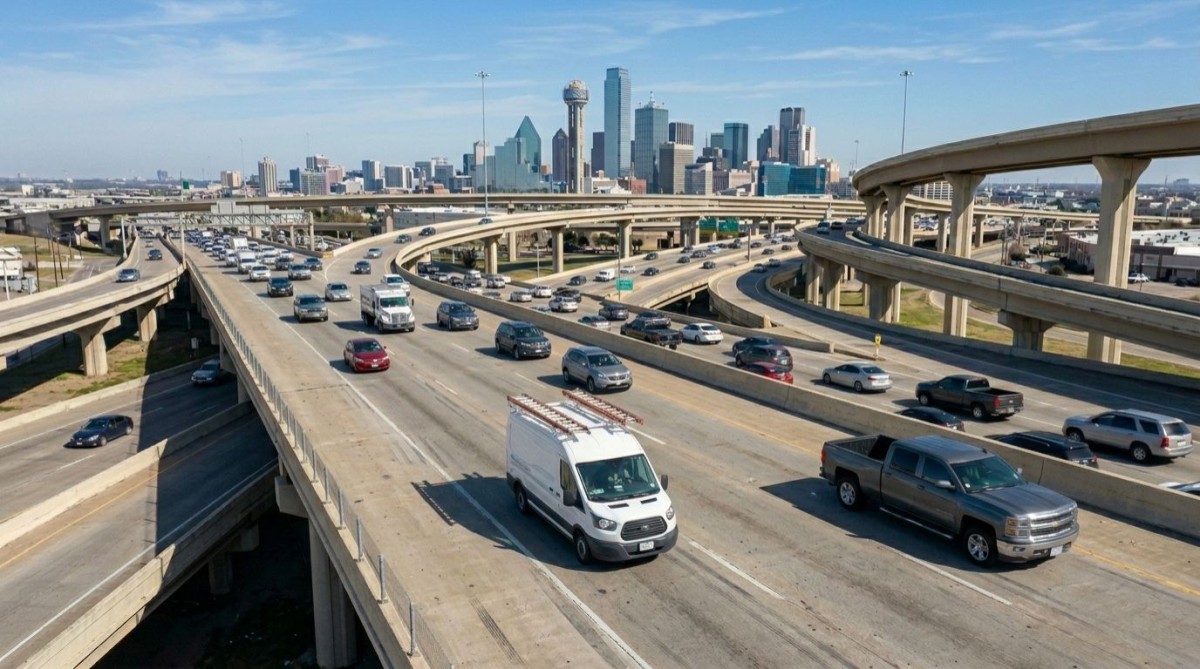
Commercial auto is one component of a complete contractor insurance program, not a standalone solution. Most Dallas contractors need commercial auto alongside general liability with completed operations, workers compensation, tools and equipment coverage, and in many cases builders risk and surety bonds. As an independent broker, we build contractors insurance programs that coordinate all of these coverages under one reviewed structure so your limits are aligned, your COI requirements are met across all lines, and you are not carrying duplicate coverage in one area while having gaps in another.
One area Dallas contractors frequently confuse with commercial auto: if an employee is injured in a vehicle accident while driving for work, the medical costs and wage replacement are handled by workers compensation insurance, not the commercial auto policy. The commercial auto policy covers liability to third parties and physical damage to the vehicle. Workers comp covers your employees' injuries. Both are necessary for contractors who carry employees in work vehicles.
FAQs About Commercial Auto Insurance for Dallas Contractors
Does my personal auto policy cover my truck if I use it for work?
No. Personal auto policies contain a business use exclusion that voids coverage when the vehicle is being used for commercial purposes. Driving to job sites, hauling tools, transporting employees, and running business-related errands all qualify as business use. If you are in an accident during any of these activities and your insurer determines it was business-related, they can deny the claim.
What is hired and non-owned auto coverage and do contractors need it?
Hired and non-owned auto (HNOA) coverage protects your business when employees drive personal vehicles for work purposes or when you rent vehicles for business use. If an employee runs a business errand in their personal truck and causes an accident, their personal policy pays first. If their limits are insufficient, your business faces the gap. HNOA closes that exposure. For contractors whose employees regularly use personal vehicles for work tasks, HNOA is an inexpensive but important addition.
Does commercial auto cover tools and equipment in my truck?
Commercial auto covers the vehicle itself and liability for accidents. It does not cover the tools, equipment, or materials inside the vehicle. Those require a separate tools and equipment policy or inland marine floater. If your van or truck is broken into and your tools are stolen, your commercial auto comprehensive coverage does not pay for the missing equipment. A tools policy does.
How quickly can I get a COI showing commercial auto coverage?
Same day in most cases. Once your coverage is confirmed and active, we issue the certificate immediately with the correct limits, coverage types, and any certificate holder or additional insured language required by your GC or client. If you are bidding a job the next day and need a COI tonight, call us.
Can I cover a mix of pickup trucks, vans, and trailers under one policy?
Yes. A fleet commercial auto policy can cover multiple vehicle types under one policy structure. Pickup trucks, cargo vans, flatbed trailers, enclosed trailers, and specialty vehicles can all be scheduled on the same policy with coverage appropriate to each vehicle type. Single renewal date, single certificate, single policy management.
Get Commercial Auto Coverage Built for Your Dallas Trade Operation
Whether you run a single work truck between residential service calls in Irving and Garland, a fleet of vans across DFW for an electrical or HVAC operation, or a landscaping setup with multiple trucks and trailers working commercial properties in Frisco and McKinney, Thumann Agency builds a commercial auto program that fits the vehicles you actually operate, the routes you actually run, and the certificates your clients actually require.
Since 1996, we have been the broker Dallas contractors call when they need someone who understands the trade, shops the market across 80+ carriers, and issues COIs the same day without chasing anyone down.
Request Your Free Commercial Auto Insurance Quote | Call Us at (972) 991-9100
Last Updated: June 9, 2026
Author: Steve Thumann, Licensed Texas Insurance Broker.
Sources: Texas Department of Insurance, National Association of Insurance Commissioners
Disclaimer: This page is for educational purposes only. Coverage details vary by provider. Contact us for a personalized quote.