

Builders Risk Insurance Dallas, TX
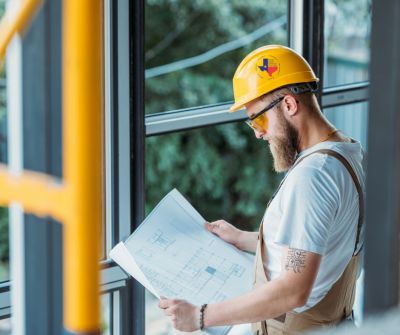
Builders risk insurance, also called course of construction insurance, covers a building while it's being built or renovated. It typically pays to repair or replace the structure, materials, and installed fixtures after losses such as fire, wind, hail, theft, and vandalism, and it can add coverage for soft costs when a covered loss delays the project.
A standard property policy or a homeowners policy typically isn't written for a building under construction, so most Texas projects need this coverage from the first day of work. Lenders and commercial contracts often require it too.
Thumann Agency is an independent broker in Dallas, serving Texas contractors, owners, and developers for 30+ years (since 1996). We compare 80+ carriers, explain what each policy leaves out, and read the coverage against your contract and your lender's requirements before you sign.
-
What it covers: the structure, materials on site and in transit, installed fixtures, temporary structures, and optional soft costs
-
Who needs it: contractors, owners, owner-builders, developers, and anyone whose lender or contract requires it
-
What does it cost? It's priced as a percentage of the project value, so the right number comes from a quote on your actual project
Why Texas Builders Choose Thumann Agency
A stalled project is expensive, and so is a coverage gap you find out about after a loss. Here's what you get with us:
-
Independent broker: we compare 80+ carriers instead of handing you one company's builders risk form
-
A dedicated advisor: one person who knows your account, not a call center
-
30+ years in Dallas: Thumann Agency has placed Texas commercial coverage since 1996, including contractor and construction accounts
-
A policy review before you sign: we check theft limits, wind and hail deductibles, soft costs, and exclusions against your contract and your lender
-
Same-day certificates of insurance for existing clients: when an owner, lender, or general contractor asks for proof
-
A full construction program: we also place your liability, workers' compensation, auto, and bonds, so the pieces fit together
-
Servicio en español: Spanish-language support is available (see our seguros de negocio page)
What Our Clients Say
Thumann Agency holds a 4.6-star rating from 140+ Google reviews. Here's what some of our commercial clients say about working with us.
"Thank you Nida and Thumann agents for always making sure I got what I need for my projects! I've been with this agency for 4 years and I couldn't recommend them more! We recently needed additional coverage for a new contract and Nida went above and beyond to get us what we were needing. Thank you!!!"
Jose Medina
"They are great. After looking a lot of places for the specific insurances we needed we finally found it with Thumann. Not only did they find the right insurance we need, they made it super easy. Whitney was a great help and I would recommend the whole team over there to anyone looking."
Cory Wolff
"The Thumann Agency found me the best rates for my commercial building and general liability policies. Their service is great, ten years and counting."
Jill Parr
Google reviews | 4.6 stars, 140+ reviews | BBB A+ rating | Trusted Choice pledge
Who Needs Builders Risk Insurance in Texas?
Anyone with money tied up in a building that isn't finished has something to protect:
-
General contractors and builders: your labor and materials are on the line from day one
-
Property owners: if you're building a custom home or a commercial building, the project is your investment until it's complete
-
Owner-builders: if you act as your own general contractor, you're usually the one who needs the policy, and your lender will likely ask for it
-
Real estate developers: apartment communities, retail centers, and office buildings concentrate a lot of value in one site (see our apartment building owners and property owners pages)
-
Tenants doing build-outs: a clinic, office, or restaurant improving leased space may need coverage for the improvements, depending on the lease
-
Lenders: banks commonly require a builders risk policy before they fund a construction loan
What Does Builders Risk Insurance Cover?
Coverage depends on the policy form, so ask for the actual wording. In general, a builders risk policy can cover:
-
The structure under construction: the building from foundation to roof, including permanently installed framing, plumbing, electrical, heating and air conditioning, and finishes
-
Materials and supplies: on site, in transit, and sometimes at a temporary storage location, often with lower limits off site
-
Installed fixtures and equipment: items that become part of the building, such as built-in appliances and cabinetry
-
Temporary structures: scaffolding, fencing, and forms used during the build, usually with sublimits
-
Debris removal: cleanup costs after a covered loss, often with a cap
-
Soft costs (optional): extra architect and engineer fees, permit costs, loan interest, and other expenses when a covered loss delays the project
Covered Events
Coverage responds when a covered peril causes loss during construction, such as:
-
Fire and lightning
-
Wind and hail
-
Theft and vandalism
-
Explosion
-
Vehicle impact
-
Falling objects
-
Water damage from accidental discharge, such as a burst pipe
What Builders Risk Insurance Does Not Cover
Knowing the gaps matters as much as knowing the coverage. Builders risk policies typically don't cover:
-
Worker injuries: these belong to workers' compensation insurance, not builders risk
-
Faulty workmanship or design: the policy protects against outside events, not construction mistakes
-
Employee or subcontractor theft: a separate crime policy or bond addresses that
-
Wear, rust, and deterioration: coverage is for sudden, accidental loss
-
Flood and earthquake: both are typically excluded and need separate coverage or an endorsement
-
Your tools and equipment: these usually need their own equipment coverage, since builders risk is built around the project
-
Delay penalties: contract penalties for late completion aren't covered unless a covered loss caused the delay and soft costs coverage applies
Questions to Ask About Your Policy
Many builders risk claims turn on details. Ask these before you sign:
-
What is the wind and hail deductible, and is it a percentage?
-
What are the sublimits for theft, off-site storage, and materials in transit?
-
Does the policy limit hot work such as welding or cutting unless you follow a permit program?
-
Does it restrict water or freeze damage during winter months?
-
Does it include debris removal and soft costs, and at what limit?
-
Is there an endorsement if material costs rise during a long build?
Texas Weather, Theft, and Project Risks
Texas construction faces weather and theft exposure that a standard policy form may not address. Here's what the record shows:
-
Hail across the state: Texas recorded 878 hail events with stones one inch or larger in 2024, the most of any state, according to the Insurance Information Institute
-
Hail claims in Dallas and McKinney: from 2017 to 2019, Texas led the nation with 637,977 hail-loss claims, and Dallas and McKinney ranked among the five U.S. cities with the most, according to National Insurance Crime Bureau claims data. Nationally, most of those were homeowners and auto claims, but they show how often this area gets hit
These figures are reported by the Insurance Information Institute and the National Insurance Crime Bureau for the years shown. We haven't adjusted them, and newer data may differ.
Three terms decide how a storm loss feels to a Texas project:
-
Wind and hail deductible: some Texas property policies use a percentage deductible instead of a flat dollar amount. For example (hypothetical), a 2 percent deductible on a $1 million project is $20,000 out of pocket before the policy pays
-
Flood: standard builders risk typically excludes flood. If your site is low-lying or near a creek or the Gulf Coast, ask about flood coverage
-
Materials left exposed: unprotected roofing materials, framing, and open structures are often the first things a storm damages, so ask how the policy treats them
Theft and Security Conditions
Active job sites hold copper, tools, appliances, and materials that are easy to move, so theft is a steady exposure. Theft coverage typically applies to materials and installed components, and some carriers attach security conditions, such as:
-
Fencing and locked gates or storage containers
-
Lighting and cameras on higher-value sites
-
Material inventories and receipts
If a policy requires security measures and you don't maintain them, a theft claim can be reduced or denied. We help you read those conditions before you sign. Employee theft is usually excluded, so ask about crime coverage if that's a concern.
How Long Does Builders Risk Coverage Last?
Builders risk covers the construction period, not permanent ownership.
-
Policy terms: these are commonly written for a few months to a year or more, depending on the project, and can often be extended
-
When it starts: coverage should be in place before work begins. Don't assume a policy can be backdated
-
When it ends: usually at completion, occupancy, a certificate of occupancy, sale, or policy expiration, depending on the policy wording
-
The handoff: when the project finishes, a permanent commercial property insurance policy typically takes over. Coordinate the dates so there's no gap
Who Pays for Builders Risk: Contractor, Owner, or Lender?
Your contract decides, so read it before you start:
-
Contractor-purchased policies: many general contractors include builders risk in the project price, which lets them control the coverage and add subcontractors
-
Owner-purchased policies: owners building custom homes or commercial buildings often buy their own coverage to protect their investment
-
Lender requirements: banks usually require coverage and ask to be named on the policy
-
Large projects: on very large jobs, an owner may buy a wrap-up program that covers several lines for everyone on site
Avoid gaps and duplicate premiums by confirming in writing who is responsible. Send us the contract and we'll compare it to the coverage you're quoted.
Owner-Builders, Renovations, and Tenant Build-Outs
Not every project is a ground-up build for a general contractor:
-
Owner-builders: if you manage your own custom home, the policy is usually yours to buy, and your lender may require it
-
Renovations: builders risk can cover the new work on a major renovation, but the existing building usually needs its own property coverage. For smaller installations, an installation floater may fit better
-
Tenant build-outs: an improvement to leased space, such as a clinic or office, is covered based on your lease, so read who insures the improvements
-
Vacant buildings: a building sitting empty before or between projects can fall outside both builders risk and a standard policy. Tell us the building's status
Other Insurance Texas Contractors Need
Builders risk protects the project. It's one piece of a construction program:
-
Liability: general liability insurance and contractor liability insurance cover injuries and damage to other people
-
Employees: workers' compensation matters on public projects. Under the Texas Labor Code, a state or local government that signs a building or construction contract must require the contractor to certify workers' compensation coverage, and subcontractors provide certificates too. Elsewhere, Texas lets most private employers choose, according to state guidance
-
Vehicles: contractors auto insurance covers your trucks and trailers
-
Higher limits: commercial umbrella insurance adds liability limits above your primary policies
-
Advice and design: professional liability insurance covers claims about your recommendations or specifications
-
Bonds: surety bonds guarantee your performance and aren't insurance for your own company
-
Subcontractors: our subcontractor insurance page covers coverage for the subs themselves
-
Trade-specific programs: see roofers insurance and our full contractors insurance page
The Texas Labor Code and Texas Department of Insurance guidance are summarized in plain terms. They aren't legal advice, and rules can change, so confirm with each source or an attorney.
What Decides How Much a Builders Risk Claim Pays
You can check these terms in your policy today, long before a loss:
-
Limits and sublimits: the most the policy pays overall, and lower caps for theft, off-site storage, in-transit materials, and temporary structures
-
Deductible: what you pay first, which may be a percentage for wind and hail
-
Valuation: whether the policy pays replacement cost or actual cash value
-
Exclusions and conditions: including security requirements, hot work rules, and winter restrictions
-
Policy period: a loss outside the policy dates isn't covered, which is why extensions and the handoff matter
We stay with our clients through claims, and your advisor can explain how your own policy is likely to respond before you ever need it.
How Much Does Builders Risk Insurance Cost in Texas?
Builders risk is priced as a percentage of the total project value, and that percentage depends on the project. For example (hypothetical), at a rate of 1 percent, a $500,000 project would cost $5,000, and at 2 percent it would cost $10,000. We don't print a single rate, because one number on a web page would mislead more people than it helps.
This example only shows how the cost is calculated. The percentages are hypothetical, not Thumann Agency quotes or published rates.
What Moves a Builders Risk Premium
-
The total value of the project
-
The type of construction, such as frame, masonry, or fire-resistant
-
Location and weather exposure, including hail and Gulf Coast storms
-
How long the project will take
-
Security on the site
-
Whether the project is new construction or a renovation
-
The endorsements you add, such as soft costs, flood, or earthquake
-
Your claims history
Ways to Keep Costs Manageable
-
Compare carriers instead of taking the first quote
-
Give accurate project values and realistic schedules, since underinsuring or underestimating the timeline can cost you after a loss
-
Fence and secure the site, and keep material records
-
Choose a deductible your project budget can handle, not just the lowest premium
-
Ask us to review an extension before the policy expires
The lowest premium isn't always the lowest cost after a loss. Compare sublimits, deductibles, and exclusions, not just the price.
How to Choose a Builders Risk Insurance Company or Broker
Not every carrier writes every project, and the lowest quote can hide the narrowest policy. Before you sign, ask:
-
1. Does this carrier regularly write my type of project: new build, renovation, or tenant improvement?
-
2. What are the theft, off-site, and in-transit sublimits?
-
3. What is the wind and hail deductible in dollars on my project?
-
4. Are soft costs and debris removal included, and at what limit?
-
5. Does the policy match what my contract and my lender require?
-
6. How does the handoff to permanent property coverage work?
-
7. How fast can I get a certificate when an owner or lender asks?
As an independent broker, we ask these across 80+ carriers and put the answers side by side.
How to Get Builders Risk Insurance in Texas
1. Tell us about your project. Share the address, construction value, type, schedule, and who is buying the policy.
2. We compare carriers. We shop your project across 80+ carriers instead of quoting one company.
3. You review the options with your advisor. We walk through limits, deductibles, sublimits, and exclusions before you decide.
4. We bind your policy and issue your certificate. Existing clients get same-day certificates of insurance in most cases.
Have these ready to speed things up:
-
The project address and your estimated total construction value
-
Construction type, square footage, and start and finish dates
-
Your contract and your lender's insurance requirements
-
Your site security plan
-
Prior claims or loss history
-
Whether you're the owner, general contractor, or developer
Already a client? You can request a certificate online.
Builders Risk Insurance Across Dallas and Texas
Our office is at 12770 Coit Road, Suite 110, Dallas, TX 75251. We serve builders, owners, and developers across the Dallas-Fort Worth area, including Fort Worth, Plano, Frisco, Arlington, McKinney, Denton, Irving, Garland, and Richardson. We also serve projects in Houston, Austin, San Antonio, Corpus Christi, and Galveston.
Builders risk is one part of a complete program. See our Texas business insurance and Dallas business insurance pages for the full picture.
Not sure we cover your project or your city? Call (972) 991-9100.
Frequently Asked Questions
Can I buy builders risk insurance after construction has started?
You want coverage in place before work begins, since a policy generally can't be backdated to cover a loss that already happened. If work has already started, tell us what's been built and when, because some carriers will consider a project in progress and some won't. Call us as soon as you realize there's a gap.
How is builders risk different from general liability?
Builders risk covers physical damage to the project itself, such as the structure and the materials. General liability covers claims from other people, such as a visitor injured on site or damage to a neighbor's property. They respond to different problems, and most construction projects need both. Ask us to review them together so nothing falls between them.
What happens if my project runs late?
Delays are common, and many builders risk policies can be extended. Don't wait until the last week, since a carrier may ask for an updated schedule and project status. If coverage lapses, the project is unprotected until a new policy begins. Tell us as soon as the schedule slips, and we'll start the extension early.
Does builders risk cover a house I'm flipping or a vacant building?
It depends on the work. A flip with major renovation may fit builders risk, while a vacant building with only cosmetic work may need a different policy. Carriers often ask whether the building is occupied and how long it's been vacant. Tell us what you're doing and the building's status, and we'll compare options.
Who pays the deductible after a loss?
Your contract usually decides. Some contracts make the contractor responsible, some the owner, and some split it. The policy pays the claim after the deductible, so the party who bears it matters. Check the deductible amount and the contract language before you start, and send both to us if you want a second look.
Do subcontractors need their own builders risk policy?
Usually not, since the project policy is typically bought by the owner or the general contractor. But subcontractors still need their own liability and workers' compensation coverage, and their tools and equipment usually need separate coverage. Confirm in writing what your contract expects of you, and ask who the project policy actually covers.
Ready to Protect Your Construction Project?
Whether you're breaking ground this month or planning ahead, we'll walk through your options without jargon. Get a Quote, Call (972) 991-9100, or Talk to Us and we'll take it from there.
Last Reviewed: October 2026
Author: Steve Thumann, Licensed Texas Insurance Broker
Sources: Insurance Information Institute, National Insurance Crime Bureau, Texas Labor Code, Texas Department of Insurance
Disclaimer: This information is for general educational purposes only and is not legal, tax, or insurance advice or a full description of any policy. Coverage terms, limits, and exclusions vary by carrier and by state, including Texas, and builders risk policy periods, sublimits, and deductibles differ by policy. The cost examples are hypothetical and are not a quote. Flood and earthquake are typically excluded unless added. Texas workers' compensation rules are set by the Texas Department of Insurance, Division of Workers' Compensation, and can change. Reviews reflect customers' own experiences. Contact Thumann Agency for details about your needs. Thumann Agency is licensed under Texas Department of Insurance regulations.