

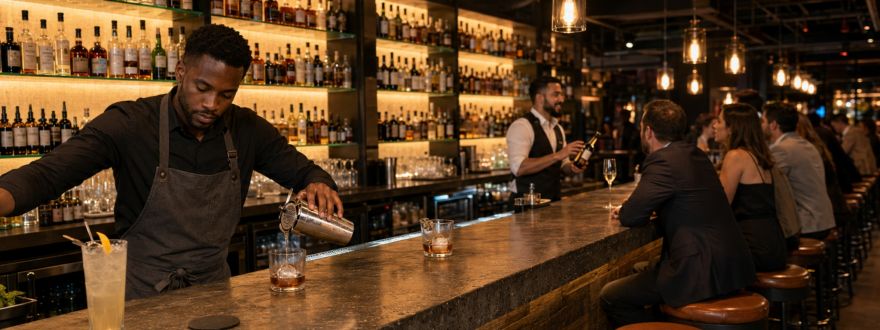
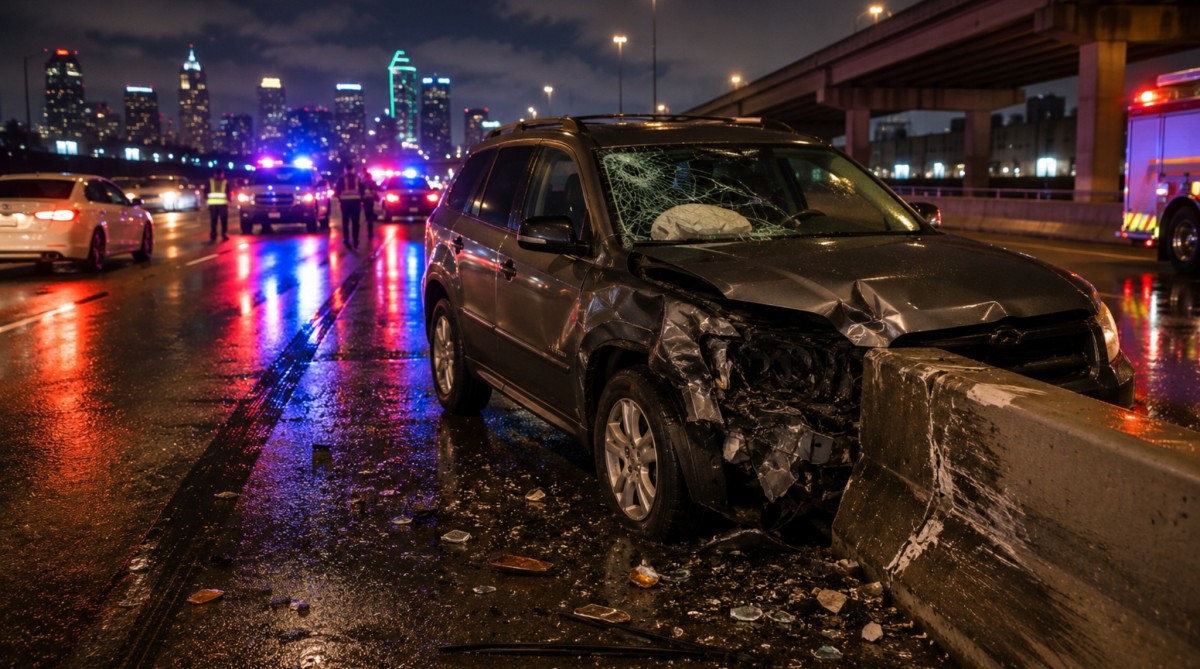
If you serve alcohol in Dallas, you are exposed to a type of legal and financial risk that most general business policies do not cover. When a customer drinks too much at your establishment and causes an accident, injury, or death, you can be held legally responsible under Texas law.
Liquor liability insurance is the policy designed specifically for that exposure. It pays for legal defense, settlements, and judgments when alcohol you served is linked to harm.
Here is what this guide covers:
- How liquor liability insurance works for Texas food and beverage businesses
- What Texas dram shop law means for your operation
- What a standard policy covers and what it excludes
- Real cost ranges for Dallas bars and restaurants
- How to reduce your premium with documented risk controls
This guide is written for Dallas bar owners, restaurant operators, caterers, and event venue managers who want to understand this coverage before a claim forces the issue.
What Is Liquor Liability Insurance and Who Needs It in Dallas?
Liquor liability insurance is a commercial policy that protects businesses that sell, serve, or facilitate the consumption of alcohol. It responds to claims that your alcohol service contributed to a bodily injury or property damage event.
In Texas, this matters more than in many other states. The Texas Dram Shop Act (Texas Alcoholic Beverage Code Section 2.02) holds licensed alcohol sellers legally liable when they serve alcohol to a visibly intoxicated person or a minor, and that person then causes injury or death. Texas courts regularly hold bars and restaurants responsible in these cases, and judgments can reach into the millions.
Who needs this coverage in Dallas:
- Bars, nightclubs, and lounges with a Texas liquor license
- Restaurants with a beer and wine permit or mixed beverage license
- Catering companies that serve alcohol at events
- Event venues that allow outside alcohol or provide bar services
- Breweries, wineries, and distilleries open to the public
- Food trucks with a temporary alcohol permit
A standard commercial general liability (CGL) policy excludes liquor-related claims for businesses whose primary purpose involves alcohol service. That exclusion can leave you completely exposed without a dedicated liquor liability policy.
What Does Texas Dram Shop Law Mean for Your Business?
Texas operates under one of the stronger dram shop liability frameworks in the country. Under the Texas Dram Shop Act, a third party injured by an intoxicated person can sue the business that served that person, not just the individual who caused the harm.
The legal standard turns on two criteria:
- The establishment served alcohol to a person who was "obviously intoxicated to the degree that he presented a clear danger to himself and others."
- That intoxication was a proximate cause of the damage, injury, or death.
Courts examine surveillance footage, server statements, witness accounts, and expert testimony. Slurred speech, unsteady gait, or belligerent behavior can all satisfy the standard. The plaintiff does not need to prove the person was legally drunk at the time of service. Signs of impairment visible to your staff are enough.
Texas does not cap compensatory damages in dram shop cases. Your exposure in a fatal accident case is not bounded by a statutory limit. This is why adequate coverage limits are not optional for Dallas operators.
What Does Liquor Liability Insurance Actually Cover?
A standard liquor liability policy for a Dallas bar or restaurant covers the following:
Bodily Injury Claims
Medical expenses, lost wages, and pain and suffering damages paid to a third party injured because of your alcohol service. This includes car accident victims, assault victims, and bystanders.
Property Damage Claims
Physical damage caused by an intoxicated patron to another person's vehicle, home, or belongings.
Legal Defense Costs
Attorney fees, court costs, and expert witness fees when you are named in a dram shop lawsuit. Defense costs in Texas alcohol litigation routinely run into six figures even when the case is dismissed or settled favorably.
Settlements and Judgments
If the case resolves through a settlement or a court awards a judgment against you, your policy pays up to your coverage limit.
Assault and Battery Coverage
Many policies include or offer as an endorsement coverage for fights that occur on your premises when alcohol is involved. Confirm this endorsement is included before binding your policy.
What liquor liability insurance does NOT cover:
- Criminal fines, penalties, or punitive damages in most cases
- Claims from serving alcohol at a personal residence (covered under host liquor liability)
- Workers' compensation for employee injuries is a separate policy
- Intentional acts by you or your staff
- Property damage to your own business (covered under commercial property insurance)
- TABC license defense in administrative proceedings
Always read the exclusions section carefully. Texas courts frequently see coverage disputes where bars assumed a claim was covered but the policy language said otherwise.
How Much Does Liquor Liability Insurance Cost for Dallas Businesses?
Cost varies based on several business-specific factors. Here are realistic annual premium ranges for Dallas-area operations, based on $1 million per occurrence and $2 million aggregate limits:
- Small restaurant with beer/wine permit only: $800 to $2,500 per year
- Full-service restaurant with bar: $2,000 to $6,000 per year
- Bar or nightclub (low-volume): $3,500 to $8,000 per year
- High-volume bar or nightclub: $8,000 to $25,000 or more per year
- Event venue with alcohol permitted: $2,500 to $7,500 per year
- Caterer providing alcohol service at events: $1,200 to $4,000 per year
Businesses with higher annual alcohol revenue, later closing hours, or a history of incidents will fall toward the upper end.
Key rating factors insurers use:
Annual Liquor Sales Revenue
The higher your alcohol revenue as a percentage of total revenue, the higher your base premium.
Hours of Operation
Bars open past midnight face higher premiums. Late-night hours in areas like Deep Ellum or Uptown are considered elevated risk.
Venue Capacity
A 300-person venue carries more exposure than a 40-seat neighborhood bar.
Claims History
A single paid dram shop claim in the past five years can significantly raise your premium or make placement in standard markets difficult.
Staff Training
Documented TABC seller-server certification can qualify you for discounts with some carriers.
Does Texas Law Require Liquor Liability Insurance?
Texas does not have a blanket statutory requirement that all licensed businesses carry liquor liability insurance. The Texas Department of Insurance does not mandate it statewide, but the practical answer for most Dallas operators is more complicated.
Most commercial landlords in Dallas require liquor liability coverage as a lease condition for tenants who serve alcohol. Lenders with a security interest in your business often require it as well. Dallas permits for outdoor events with alcohol frequently carry insurance requirements.
Even where it is not legally required, operating without liquor liability insurance in Texas is a serious financial risk. The Texas Dram Shop Act creates personal liability exposure that can reach beyond your business entity to your personal assets depending on your structure and how a court views the situation.
How to Lower Your Liquor Liability Premium in Texas
You have more control over your premium than most business owners realize. Insurers respond to documented risk management, and these steps can reduce both your premium and your actual exposure.
- Complete TABC Seller-Server Training. Texas law requires anyone who sells or serves alcohol to be trained and certified. Documented training across all serving staff can qualify you for a discount of 5 to 15 percent with some carriers.
- Write and enforce a service cut-off policy. A written policy that defines how your staff identifies intoxicated guests and who has authority to stop service gives you legal cover and demonstrates risk discipline to insurers.
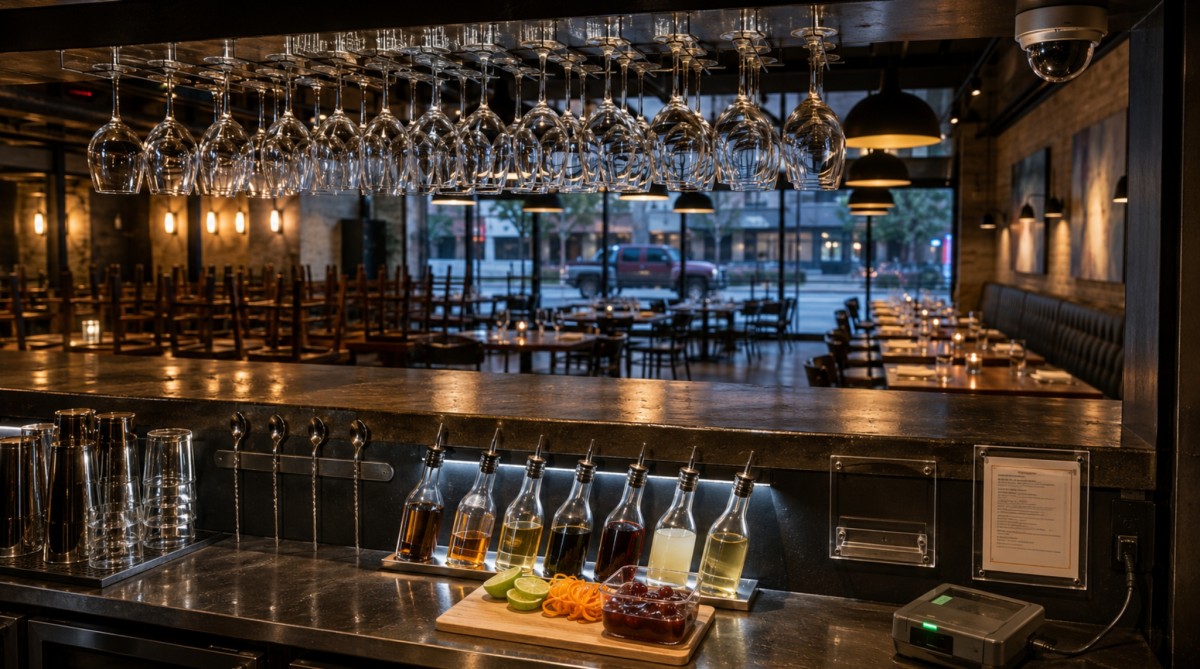
- Install and maintain surveillance cameras. Coverage of your bar, entrance, and parking area provides evidence when a claim is disputed. Insurers note the presence of functional surveillance as a favorable characteristic.
- Use ID scanning technology. Technology-based age verification creates a record that can be valuable in a claim dispute and reduces minor-service exposure.
- Compare carriers annually. The Texas market for liquor liability shifts regularly. An independent broker who places multiple Dallas hospitality risks will have access to programs unavailable through generalist agents.
For Dallas restaurants with a full insurance picture that includes liquor liability, see the Dallas restaurant insurance guide for how liquor liability fits into a complete coverage program.
Thumann Agency has been placing commercial coverage for Dallas businesses since 1996. As an independent broker working with 80+ carriers, we compare liquor liability options across the market and match your bar or restaurant with coverage that fits how you actually operate. Call (972) 991-9100 or request a quote online.
Why Coverage Limits Matter More Than the Lowest Price
A $500,000 per occurrence policy carries a lower premium than a $1 million policy, but in Texas, that gap can mean the difference between financial survival and personal ruin after a serious dram shop claim.
Consider a realistic scenario: a visibly intoxicated patron leaves your bar, drives the wrong way on I-35E, and kills another driver. The family sues under the Texas Dram Shop Act. Their damages, including lost income, pain and suffering, and wrongful death, are not capped. A $500,000 limit may be exhausted well before the case resolves.
The industry standard for most Dallas bars and restaurants is $1 million per occurrence and $2 million aggregate. High-volume operations, late-night establishments, and large-capacity venues should consider $2 million per occurrence or a commercial umbrella policy stacked on top.
Do not treat coverage limits as a cost to minimize. Treat them as the financial safety net they are.
Why Thumann Agency Is the Right Choice for Dallas Liquor Liability Coverage
Thumann Agency has served Dallas businesses and families since 1996. As an independent broker, we are not tied to any single insurance company. We work across 80+ carriers to place your risk where it genuinely belongs.
- Nearly 30 years of Texas insurance experience: Thumann's team has firsthand knowledge of Texas insurance law, TABC requirements, and the specific risks Dallas hospitality businesses face. That local depth matters when your policy is being written and even more when a claim is filed.
- Access to 80+ carriers: Because Thumann Agency is independent, we shop the market on your behalf. For liquor liability, this means access to admitted carriers, surplus lines markets, and hospitality-specific programs that a captive or direct agent cannot offer.
- A dedicated Risk Advisor, not a call center: Every Thumann Agency client is assigned a dedicated Risk Advisor who takes time to understand your business before recommending coverage. For a bar or restaurant owner, that means someone who knows your hours, your volume, your lease requirements, and your claims history, and builds a coverage structure around that picture.
- Honest advocacy when it matters most: Thumann's model is built on long-term relationships, not one-time transactions. When a dram shop claim arrives, you want a broker who will advocate directly with the carrier on your behalf, not leave you to navigate it alone.
- Full commercial coverage under one roof: Beyond liquor liability, Thumann Agency places commercial property, general liability, commercial umbrella, workers' compensation, and more. Dallas bar and restaurant owners can consolidate their coverage and avoid gaps between policies from different providers.
Thumann Agency serves Dallas and the broader DFW area, as well as businesses across Houston, Austin, San Antonio, Corpus Christi, and Galveston.
Frequently Asked Questions
Does a general liability policy cover liquor-related claims for my Dallas bar?
Generally, no. Commercial general liability policies contain a liquor liability exclusion for businesses whose operations involve selling or serving alcoholic beverages. You need a separate liquor liability policy, or an endorsement that explicitly adds the coverage, to be protected against dram shop claims.
What is the difference between liquor liability and host liquor liability?
Host liquor liability protects individuals or businesses that serve alcohol at events but are not in the business of selling it, such as a corporate party or a wedding reception. Liquor liability insurance is for businesses where alcohol service is a commercial activity. If you hold a Texas liquor license and sell drinks, you need commercial liquor liability coverage.
Can my landlord require me to carry liquor liability insurance?
Yes. Dallas commercial landlords routinely require liquor liability coverage as a lease condition for tenants who serve alcohol. Your lease will specify minimum limits and may require you to name the landlord as an additional insured.
How does a dram shop claim affect my future premiums?
A paid liquor liability claim typically causes a significant premium increase at renewal and may make your policy non-renewable with your current carrier. You may be moved to the surplus lines market, where premiums are higher and policy terms can be less favorable.
Do I need separate coverage for private events at my venue?
It depends on how the event is structured. If your staff serves alcohol at a private event on your licensed premises, your liquor liability policy typically applies. If a third-party bartending service provides the bar, their policy should respond. Confirm the specific scenario with your broker before each event.
Protect Your Dallas Bar or Restaurant Before a Claim Forces the Issue
Running a bar or restaurant in Dallas is a rewarding business, but alcohol service brings real legal exposure under Texas law. The Texas Dram Shop Act creates a direct path from your tap to your bank account when a customer you served causes harm.
Ready to protect your Dallas bar or restaurant with the right liquor liability coverage? Request a quote online or call Thumann Agency at (972) 991-9100.
Last Updated: May 07, 2026
Author: Lauren Thumann Director of Marketing.
This post is for informational purposes only. For questions specific to your policy or situation, please contact the Thumann Agency directly. For regulatory questions, contact TDI at www.tdi.texas.gov.