

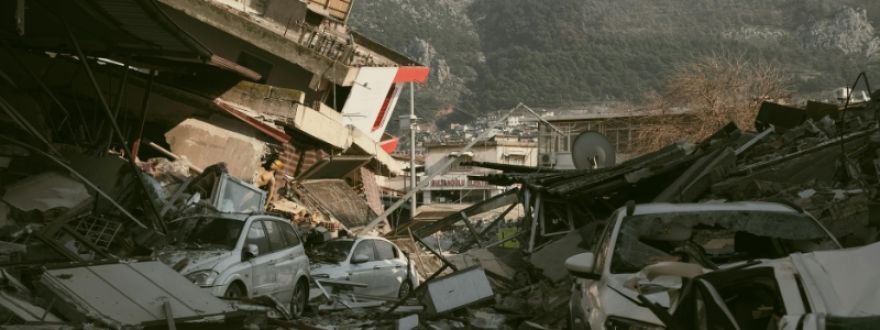
The Federal Emergency Management Agency estimates that nearly 40% of small businesses never reopen after a natural disaster. For many of those that do reopen, the financial strain from underinsured losses or coverage gaps cripples their recovery for years. In Texas, this is not a remote risk. Dallas and the surrounding DFW metroplex average five to eight major hail events per year, sit in one of the most active tornado corridors in the country, and contain hundreds of miles of flood-prone creek and river corridors that can flash-flood with little warning.
The uncomfortable truth is that most Texas business owners assume their commercial insurance covers natural disasters. Many do not find out the actual answer until they are filing a claim. This guide walks through exactly what standard commercial policies cover, where the gaps are, and how to build a policy stack that keeps your business operational after a major event. If you want to review your current coverage, call Thumann Insurance Agency at (972) 991-9100 - we compare options across 80+ carriers to make sure your commercial coverage matches your actual risk.
What Standard Commercial Insurance Covers (and What It Doesn’t)
Most small and mid-size businesses in Texas carry a Business Owner’s Policy (BOP), which bundles three core coverages into one package. Understanding exactly what each component does and does not cover is the starting point for any disaster preparedness review.
Commercial Property Insurance
Commercial property insurance covers physical damage to your building, equipment, inventory, and business personal property caused by covered perils - fire, windstorm, hail, lightning, and vandalism are the most common. In Texas, wind and hail are the most frequent cause of commercial property claims by volume.
What it typically excludes: Flood damage, earthquake damage, and “ordinance or law” rebuilding costs if updated code requires expensive modifications after a major loss. These exclusions are not minor - they represent the three most financially devastating gaps in most Texas commercial policies.
Business Interruption Insurance
Business interruption coverage pays for lost income and ongoing operating expenses - rent, payroll, utilities, loan payments - if a covered physical loss forces you to temporarily close or relocate. This is the coverage that separates businesses that survive a disaster from those that do not.
Critical detail: Business interruption coverage only activates if the physical damage that caused the closure is covered under your property policy. If a flood closes your business for three months but flood damage is excluded from your policy, your business interruption coverage will not pay. The trigger for business interruption is the covered physical loss, not the closure itself.
General Liability Insurance
General liability insurance covers third-party bodily injury and property damage claims. During and after a natural disaster, this matters if a customer is injured on your premises due to storm damage, or if your property causes damage to a neighboring business. It does not cover your own property losses.
Natural Disaster Coverage in Texas: What’s In and What’s Out
Texas businesses face a specific set of natural disaster risks. Here is how each of the major risks maps to standard and supplemental coverage options.
Tornadoes and Severe Thunderstorms - Generally Covered
Wind damage from tornadoes and severe thunderstorms is covered under standard commercial property policies. The DFW corridor sees some of the most active tornado activity in the United States - Garland, Mesquite, Wylie, and Rowlett have all experienced significant tornado events in recent years. If a tornado damages your building, destroys your inventory, or causes you to temporarily close, your commercial property and business interruption coverage should respond, subject to your deductible and coverage limits.
Watch for: Some policies in high-wind-risk areas include a separate wind and hail deductible - often 1–2% of the insured property value - rather than a flat dollar deductible. On a $500,000 commercial property, a 2% wind deductible means you absorb the first $10,000 of any storm claim. Confirm your deductible structure before a storm season.
Hailstorms - Generally Covered, With Important Limits
Hail is the leading cause of commercial property insurance claims in Texas by volume. Damage to roofs, HVAC units, skylights, inventory, and vehicles can occur simultaneously in a single event. Standard commercial property policies cover hail damage, but coverage limits, deductible structures, and roof-age exclusions can significantly affect what you actually receive after a claim.
Key issue: Many commercial carriers in North Texas now include actual cash value (ACV) roof settlement clauses that deduct depreciation from roof claims rather than paying full replacement cost. If your building has an older roof, your claim settlement for a major hail event may be significantly less than full replacement cost. Review whether your policy settles roof claims at ACV or replacement cost value (RCV) before your next renewal.
Floods - NOT Covered by Standard Policies
Flood damage is excluded from every standard commercial property insurance policy without exception. This exclusion applies regardless of the cause of the flood - storm surge, heavy rainfall, overflowing rivers or creeks, or flash flooding from storm drains. Dallas is crisscrossed by flood-prone waterways including Bachman Creek, White Rock Creek, Turtle Creek, and Trinity River tributaries. Even businesses far from obvious flood zones can experience water intrusion during extreme rainfall events like those Dallas saw in 2022 and 2024.
To cover flood damage, businesses need a separate flood insurance policy through the National Flood Insurance Program (NFIP) or a private commercial flood insurer. NFIP commercial flood policies cover up to $500,000 for building coverage and up to $500,000 for contents. Businesses with higher values or more complex recovery needs may require private flood insurance above NFIP limits. To check your business address’s flood zone designation, visit fema.gov/flood-maps.
NFIP note: NFIP policies require a 30-day waiting period before coverage takes effect in most circumstances. Do not wait until a storm is forecasted to purchase flood insurance.
Earthquakes - NOT Covered by Standard Policies
Earthquake damage is excluded from standard commercial property policies in Texas. While Texas is not on a major fault line, seismic activity in West Texas oil country has increased significantly due to induced seismicity from wastewater injection. Businesses in Midland, Odessa, and the Permian Basin region have more earthquake exposure than historically recognized. Commercial earthquake coverage is available as a standalone policy or endorsement.
Wildfires - Generally Covered
Fire damage, including wildfires, is covered under standard commercial property insurance. In Texas, wildfire risk is concentrated in the Hill Country, West Texas, and areas south and west of San Antonio, but drought conditions can expand the risk zone significantly during dry seasons. Business interruption coverage applies to wildfire closures just as it does to other fire events, as long as the physical damage is covered.
The Business Interruption Gap: The Coverage Most Owners Underestimate
Business interruption insurance is arguably the most critical and most misunderstood coverage in a commercial policy. After every major Texas disaster, a significant number of businesses that had property coverage still fail financially because their business interruption coverage was insufficient, excluded due to the type of disaster, or had too short a coverage period.
How Business Interruption Works
Business interruption coverage pays for: lost net income your business would have earned based on prior financial records; ongoing fixed expenses that continue during the closure (rent, loan payments, payroll, utilities, insurance premiums); and extra expense coverage for the cost of operating from a temporary location.
The Waiting Period
Most business interruption policies include a waiting period - typically 48 to 72 hours - before coverage begins. A short closure due to minor storm damage may fall within this period and generate no claim payment, even if the damage is covered.
The Coverage Period
Business interruption coverage applies for the "period of restoration" - the time reasonably needed to rebuild or repair the damaged property. After major Texas hail or tornado events, contractor shortages and material delays regularly push reconstruction timelines to six to twelve months. If your coverage period is limited to a few months and reconstruction takes longer, you are absorbing the shortfall. Review the maximum coverage period in your policy and ensure it reflects realistic reconstruction timelines for your type of property.
Extended Business Interruption / Contingent Business Interruption
Extended business interruption coverage can pay for losses that continue after your property is repaired but before business returns to normal levels. Contingent business interruption coverage extends protection when a key supplier or customer suffers a covered loss that disrupts your business, even though your own premises were not damaged.
How to Fill the Coverage Gaps: A Texas Business Insurance Checklist
Based on the risks above, here is the gap-filling checklist for Texas business owners.
-
Confirm wind and hail deductible structure: Know whether your deductible is a flat dollar amount or a percentage of property value. Calculate the actual dollar amount you would pay before insurance responds in a typical hail event.
-
Add commercial flood insurance: If your business is in or near a FEMA flood zone, flood coverage is essential. Even outside designated flood zones, a commercial flood policy provides meaningful protection given Texas’s flash-flood history.
-
Review business interruption coverage period: Confirm the maximum coverage period is long enough to survive a realistic reconstruction timeline in your market. Six to twelve months is a reasonable minimum for most Texas businesses.
-
Check for ACV vs. RCV roof settlement: Replacement cost value coverage ensures you receive full repair or replacement cost rather than a depreciated amount. This distinction can be worth tens of thousands of dollars after a major hail event.
-
Consider ordinance or law coverage: If your building is older and would require significant code-compliance upgrades after major damage, ordinance or law coverage pays for the additional cost of rebuilding to current codes, which standard policies typically exclude.
-
Review equipment breakdown coverage: Power surges and equipment damage during and after storms are not always covered under standard property policies. Equipment breakdown (or boiler and machinery) coverage fills this gap for businesses with significant equipment dependencies.
-
Assess earthquake exposure: If your business is in West Texas or near any seismically active area, consider adding earthquake coverage.
The FEMA Statistic Every Texas Business Owner Should Know
FEMA’s research consistently finds that 40% of small businesses that experience a major disaster never reopen, and that a significant portion of those that do reopen fail within five years. The most common reason cited by post-disaster business survivors who did recover: having the right combination of property, flood, and business interruption coverage that allowed them to cover expenses and maintain payroll during the recovery period.
The businesses that fail are not always the ones that experienced the worst damage. They are frequently the ones that had coverage gaps that left them absorbing losses they could not afford out of pocket.
Review Your Commercial Coverage Before the Next Storm Season
Thumann Insurance Agency compares commercial insurance options across 80+ carriers for Dallas and Texas businesses. We review business owner’s policies, commercial flood coverage, business interruption adequacy, and specialty coverage needs in a single conversation. If you are not certain whether your current policy covers the disasters your business is most likely to face, that uncertainty is the answer - and it is worth resolving before storm season.
Call (972) 991-9100 or request a commercial insurance quote online to schedule a coverage review today.
Frequently Asked Questions
Does my commercial property insurance cover flood damage in Texas?
No. Flood damage is excluded from every standard commercial property policy in Texas. You need a separate flood insurance policy through the National Flood Insurance Program or a private commercial flood insurer. NFIP policies have a 30-day waiting period, so coverage must be purchased in advance of any storm.
Does business interruption insurance cover losses from a flood?
Business interruption coverage only activates when the physical damage that caused the closure is covered under your property policy. Since flood damage is excluded from standard commercial property policies, a flood-related closure will not trigger business interruption coverage unless you have a separate commercial flood policy.
What is the difference between business interruption insurance and extra expense coverage?
Business interruption insurance covers lost income and ongoing fixed expenses during a covered closure. Extra expense coverage pays for the cost of operating from a temporary location or expediting repairs to resume operations faster than normal. Both coverages work together to minimize financial losses during the recovery period.
Do I need separate hail or windstorm insurance in Texas?
In most of Texas, wind and hail damage is covered under standard commercial property policies. However, some policies in high-risk areas include a separate wind and hail deductible rather than a flat dollar deductible. This deductible is typically 1–2% of your insured property value and can represent tens of thousands of dollars. Review your deductible structure at each renewal.
Last Updated: 25 February 2026
Author: Lauren Thumann Director of Marketing.
Disclaimer: This page is for educational purposes only. Coverage details vary by provider. Contact us for a personalized quote.