


A survey by Next Insurance found that 90% of small business owners are unsure whether they have the right amount of coverage, and 96% could not demonstrate a basic understanding of small business insurance essentials. If you find those numbers surprising, consider that most small business owners buy insurance under deadline pressure - a lease requirement, a contract demand, or a state compliance notice - rather than as part of a deliberate protection strategy.
Buying insurance reactively leads to gaps, overpayments, and coverage that does not match your actual risks. This guide walks through the process correctly: how to assess your risks, which coverages are legally required vs. optional, how to evaluate what you actually need, and how to compare quotes across carriers. If you want to work through this process with an experienced agent, call Thumann Insurance Agency at (972) 991-9100 - we compare business insurance options across 80+ carriers for Dallas and Texas businesses.

Step 1: Know Which Coverages Are Legally Required
Before anything else, understand what Texas law and federal regulations require for your business. Buying coverage you are not legally required to carry wastes money. More importantly, skipping required coverage can result in fines, license issues, and personal liability exposure.
-
Workers’ compensation insurance: Texas is the only state that does not legally mandate workers’ comp for most private employers. However, “non-subscriber” businesses (those without workers’ comp) face significantly higher liability exposure if an employee is injured and may face discrimination in contracting. Many government contracts, construction projects, and large corporate clients require proof of workers’ comp coverage regardless of state law. Most Texas small businesses with employees benefit from carrying it.
-
Commercial auto insurance: If your business owns or operates vehicles, Texas requires commercial auto insurance with minimum liability limits. Personal auto policies do not cover vehicles used primarily for business purposes.
-
Professional license requirements: Certain licensed professions in Texas - contractors, healthcare providers, attorneys, and others - are required to carry specific types of liability insurance as a condition of their license. Confirm requirements with your licensing board.
-
Federal employer requirements: All Texas businesses with employees must carry unemployment insurance and, where applicable, disability insurance per federal guidelines.
Step 2: Assess Your Business Risks Honestly
After addressing legal requirements, the next step is an honest assessment of the risks specific to your business. The U.S. Small Business Administration describes this as identifying “what accidents, natural disasters, or lawsuits could damage your business.” The key is being specific rather than generic.
Ask yourself these questions for each risk category:
-
Physical property risk: Do you own or lease a commercial building? Do you have significant inventory, equipment, or tools? Could fire, hail, theft, or vandalism cause losses you could not absorb out of pocket?
-
Liability risk: Do customers or clients visit your premises? Do your employees visit clients’ premises? Do you sell products that could cause injury? Do you give professional advice? Each yes represents a liability exposure category.
-
Income disruption risk: If your business had to close for 30 days due to a fire or storm, could you cover payroll and fixed expenses from reserves? If not, business interruption coverage is not optional for you.
-
Employee risk: Do your employees perform physically demanding work? Do they drive for business purposes? Both generate liability and workers’ comp exposures that need specific coverage.
-
Digital risk: Do you store customer data, process payments, or operate any online systems? A data breach or ransomware attack can generate regulatory fines, notification costs, and liability claims that standard policies do not cover.
Step 3: Understand the Core Commercial Insurance Types
With your risk assessment in hand, you need to understand what each type of insurance actually covers. Here are the policies that apply to most small businesses.
General Liability Insurance
General liability insurance is the baseline protection for most businesses. It covers third-party bodily injury, property damage, and personal and advertising injury (libel, slander, copyright infringement). It is the policy most often required by landlords, contracts, and clients. In Texas, Dallas small businesses typically pay $40–$150 per month depending on industry, revenue, and location.
Business Owner’s Policy (BOP)
A Business Owner’s Policy bundles general liability, commercial property insurance, and business interruption coverage into a single package, typically at a lower combined cost than purchasing them separately. This is the most common starting point for small businesses with a physical location. A BOP does not include workers’ comp, commercial auto, or professional liability - those require separate policies.
Commercial Property Insurance
Covers your building (if owned), equipment, inventory, and business personal property against covered perils - fire, wind, hail, theft, and vandalism. If you lease your space, commercial property insurance covers your business contents and equipment even if the building belongs to your landlord.
Business Interruption Insurance
Pays for lost income and ongoing expenses if a covered physical loss forces you to temporarily close. This is typically included in a BOP. The critical detail: business interruption coverage only applies when the physical loss that caused the closure is itself covered under your property policy.
Professional Liability Insurance (Errors & Omissions)
Covers claims of professional negligence, errors, or failure to deliver promised services. General liability does not cover professional advice or service delivery failures. If you consult, design, advise, or deliver professional services of any kind, professional liability insurance is a separate and necessary coverage.
Workers’ Compensation Insurance
Covers medical expenses and wage replacement for employees injured on the job. In Texas, workers’ comp also provides employer’s liability coverage, which protects you if an employee sues outside the standard workers’ comp system. Even though Texas does not mandate workers’ comp for most private employers, most businesses with employees benefit significantly from carrying it.
Commercial Auto Insurance
Required for any business-owned vehicle in Texas. If your employees use personal vehicles for business purposes - deliveries, client visits, driving to job sites - you may need hired and non-owned auto liability coverage, which can be added to a BOP or general liability policy as an endorsement.
Cyber Liability Insurance
Covers data breach notification costs, regulatory fines, credit monitoring, and third-party liability from a cyber incident. If your business stores customer data, processes payments, or relies on any online systems, cyber liability coverage has shifted from optional to essential in the current threat environment.
Commercial Umbrella Insurance
As discussed in detail in our commercial umbrella insurance guide, umbrella coverage extends the liability limits of your primary policies. It is cost-effective additional protection for businesses with significant liability exposure or contractual requirements for higher limits.
One coverage area many small business owners overlook is employee health benefits. While your commercial policies protect your operations and assets, offering group health insurance is often essential for attracting and retaining good employees in the Dallas market.
Since health insurance is a specialized field, working with a dedicated broker like Wilkerson Insurance Agency, a Texas-based health insurance specialist ensures your team gets the right individual, family, or group health plans without adding complexity to your commercial coverage decisions.
Step 4: Match Coverage to Your Business Type
Different business types have different priority coverages. Here is a practical starting point by industry.
-
Retail and restaurant: BOP (with product liability), workers’ comp, commercial auto (delivery), liquor liability if alcohol is served. High slip-and-fall risk makes adequate general liability limits critical.
-
Professional services (consultants, agencies, accountants, designers): Professional liability (E&O) is the highest priority coverage, often more important than property coverage. A BOP provides baseline liability and property protection.
-
Contractors and construction: Workers’ comp is essential for any trade business with employees. General liability with adequate limits and tools and equipment coverage. Commercial umbrella is frequently required by contract. See our contractors insurance page for trade-specific guidance.
-
Home-based businesses: Standard homeowners insurance policies exclude business liability and equipment. A separate business owner’s policy or home-based business endorsement is required.
-
Technology and software companies: Cyber liability and professional liability (errors in software, data handling) are the primary exposures. Standard general liability has significant gaps for tech businesses.
Step 5: Compare Quotes the Right Way
Getting quotes from multiple carriers is essential. The U.S. Small Business Administration and most independent experts recommend comparing three or more quotes before purchasing any business insurance policy. Here is how to do it effectively.
-
Standardize your quote requests: Ask for identical coverage limits, deductibles, and policy structures across all quotes. A $1 million per-occurrence general liability quote from one carrier is not comparable to a $500,000 quote from another, even if the premium looks similar.
-
Work with an independent broker: An independent agent represents multiple carriers and can run your risk profile through 80+ carriers simultaneously, rather than requiring you to call each company individually. This saves time and typically produces better pricing through carrier competition.
-
Review the exclusions, not just the premium: The cheapest policy is frequently the cheapest because it excludes things you need. Read the exclusions section of any policy before comparing premiums.
-
Check carrier financial strength: Look for carriers rated A or above by AM Best. A carrier that prices cheaply but cannot pay claims is worse than no coverage at all.
-
Ask about industry-specific programs: Some carriers have preferred pricing programs for specific industries, professions, or trade associations. An independent broker can identify whether any of these apply to your business.
Step 6: Review and Update Your Coverage Annually
Insurance is not a set-and-forget purchase. Your risks change as your business grows. Revenue, payroll, equipment, employees, locations, and the nature of your operations all affect your coverage needs. An annual review with your broker ensures your coverage keeps pace with your business.
Specific events that should trigger an immediate coverage review include: hiring employees for the first time, purchasing a business vehicle, signing a lease on commercial space, adding a new service line or product, expanding to new locations, and winning a contract with higher insurance requirements than your current coverage provides.
Get a Small Business Insurance Review in Dallas
Thumann Insurance Agency works with small businesses across Dallas, DFW, and all of Texas to identify the right coverage combination for their specific operations. As an independent broker, we compare options across 80+ carriers to match your coverage to your actual risks - not a generic package. Review your business insurance options or call (972) 991-9100 to schedule a coverage consultation today.
Frequently Asked Questions
What insurance does a small business in Texas need to start?
At a minimum, most Texas small businesses should start with a general liability policy or a Business Owner’s Policy (BOP) if they have a physical location. If they have employees, workers’ compensation insurance is strongly recommended even though Texas does not mandate it for most private employers. Required coverages depend on your specific industry, business structure, and any contracts or licenses you hold.
Is a Business Owner’s Policy the same as general liability insurance?
No. A Business Owner’s Policy (BOP) includes general liability insurance but also bundles commercial property insurance and business interruption coverage into a single package. Standalone general liability covers only third-party liability claims without the property and income protection a BOP provides.
How much does small business insurance cost in Texas?
Costs vary significantly by industry, revenue, number of employees, and coverage selections. As a rough reference point, general liability insurance for Texas small businesses typically starts at $40–$80 per month for lower-risk industries like consulting and freelance services, rising to $100–$300+ per month for higher-risk trades like contracting and food service. A BOP typically costs $500–$2,500+ per year for most small businesses. The most accurate way to determine your specific costs is to get quotes from multiple carriers through an independent broker.
Last Updated: 25 February 2026
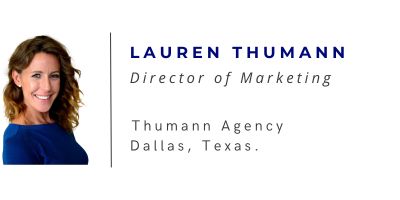
Author: Lauren Thumann Director of Marketing.
Disclaimer: This page is for educational purposes only. Coverage details vary by provider. Contact us for a personalized quote.