

If you've ever wondered what General Liability Insurance actually covers, you're not alone.
Many business owners know they need insurance, but they're not always sure what a General Liability policy is designed to protect against. Understanding what is typically covered - and what isn't - can help you make more informed decisions about protecting your business.
While every policy is different and coverage can vary, there are several common situations where General Liability Insurance may help protect a business. Below, we'll look at seven things General Liability Insurance typically covers, along with five important exclusions business owners should know about.
What Is General Liability Insurance?
General Liability Insurance is one of the most common types of business insurance. It is designed to help protect businesses against certain third-party claims involving bodily injury, property damage, and personal or advertising injury.
Whether you own a retail store, contracting company, office, restaurant, or service business, General Liability Insurance is often considered a foundational part of a business insurance program.
While coverage varies by policy, understanding the types of claims General Liability Insurance is designed to address can help business owners better understand their risks.
At a Glance: What General Liability Insurance Typically Covers (And Doesn't Cover)
General Liability Insurance may help cover:
✅ Bodily injury claims
✅ Property damage claims
✅ Medical payments
✅ Legal defense costs
✅ Settlements and judgments
✅ Personal and advertising injury claims
✅ Products and completed operations claims
General Liability Insurance typically does not cover:
❌ Employee injuries
❌ Professional mistakes or advice
❌ Commercial auto accidents
❌ Cyberattacks and data breaches
❌ Damage to your own business property
7 Things General Liability Insurance Typically Covers
While coverage can vary from one policy to another, General Liability Insurance is generally designed to help protect businesses against several common types of third-party claims. Below are seven situations where coverage may apply, depending on the policy's terms, conditions, and exclusions.
1. Bodily Injury Claims
One of the most common reasons businesses purchase General Liability Insurance is protection against bodily injury claims.
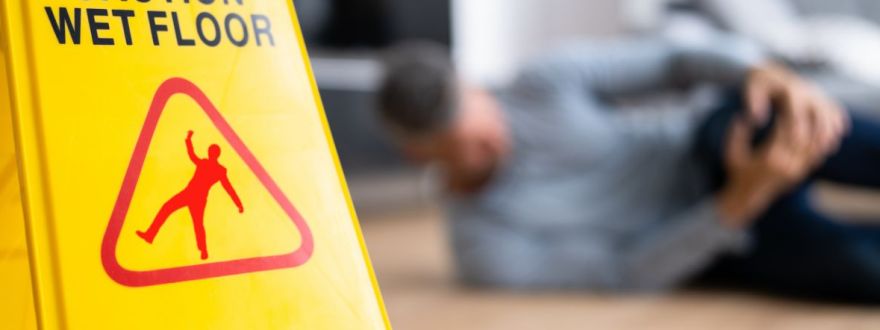
Imagine a customer visits your office and slips on a wet floor. If they are injured and allege that your business was responsible, a General Liability policy may help cover medical expenses, legal costs, and settlements, depending on the policy terms and conditions.
Bodily injury claims can happen in many industries, including retail stores, offices, restaurants, contractor job sites, and service businesses that welcome visitors.
2. Property Damage Claims
General Liability Insurance may also help cover accidental damage your business causes to someone else's property.
For example, a contractor working on a remodeling project accidentally damages a client's hardwood flooring while moving equipment. If a claim is made against the business, the policy may help pay for covered repair or replacement costs.
Property damage claims can occur in a wide range of industries, including construction, landscaping, cleaning services, maintenance companies, and many other service-based businesses.
3. Medical Payments
Some General Liability policies include Medical Payments coverage.
This coverage may help pay for minor medical expenses when someone is injured on your business premises or because of your business operations, regardless of who was at fault.
For example, if a visitor trips over a loose mat in your office lobby and requires medical treatment, Medical Payments coverage may help with covered expenses up to the policy limits.
Because coverage details vary by policy, it is important to review how this coverage applies to your specific situation.
4. Legal Defense Costs
Even when a business has done nothing wrong, defending against a lawsuit can be expensive.
General Liability Insurance may help cover legal defense costs associated with covered claims. This can include attorney fees, court costs, settlements, and judgments, depending on the circumstances and policy provisions.
For many businesses, the cost of defending a claim can be significant, even if the claim is ultimately dismissed.
5. Settlements and Judgments
If a covered claim results in a settlement or court judgment, General Liability Insurance may help pay covered amounts up to the policy limits.
For example, if a customer successfully brings a claim against a business for injuries sustained on the premises, the policy may help cover eligible settlement costs.
Coverage will always depend on the policy language, exclusions, and limits.
6. Personal and Advertising Injury Claims
General Liability Insurance may also provide protection for certain personal and advertising injury claims.
Examples may include:
- Libel
- Slander
- Defamation
- Copyright infringement in advertisements
- Misappropriation of advertising ideas
These claims are less common than bodily injury or property damage claims, but they can still be costly to defend.
7. Products and Completed Operations Claims
Businesses that manufacture, distribute, sell, or install products may have exposure after a job has been completed or a product has been sold.
For example, a contractor installs a handrail that later fails and causes an injury. Or a business sells a product that allegedly causes property damage after purchase.
Products and Completed Operations coverage is designed to help address certain claims that arise after work has been completed or products have been put into use.
5 Things General Liability Insurance Typically Doesn't Cover
Understanding what General Liability Insurance does not cover is just as important as understanding what it does cover.
Many business owners assume General Liability Insurance protects against every type of business risk. In reality, several important exposures are typically addressed by other types of insurance.
1. Employee Injuries
General Liability Insurance typically does not cover injuries sustained by employees while performing their job duties.
These claims are generally addressed through Workers' Compensation Insurance where applicable.
2. Professional Errors or Advice
If your business provides professional services, advice, recommendations, or designs, General Liability Insurance typically does not cover claims arising from professional mistakes.
These risks are often addressed by Professional Liability Insurance, sometimes called Errors & Omissions (E&O) Insurance.
3. Commercial Auto Accidents
Accidents involving business-owned vehicles are generally not covered under a General Liability policy.
Businesses that own or operate vehicles typically need Commercial Auto Insurance to help address these exposures.
4. Cyberattacks and Data Breaches
Most General Liability policies do not cover cyber incidents, ransomware attacks, data breaches, or losses involving electronic information.
Businesses concerned about these risks often purchase Cyber Liability Insurance.
5. Damage to Your Own Property
General Liability Insurance is designed to protect against claims involving damage to someone else's property.
Damage to your own building, office, equipment, inventory, or business personal property is typically addressed through Commercial Property Insurance.

Real-World Examples of General Liability Insurance Claims
Every claim is different, and coverage depends on the specific facts, policy terms, conditions, and exclusions. However, the following examples illustrate situations where General Liability Insurance may respond.
A Customer Slips and Falls
A customer visits a retail store on a rainy day. As they enter the building, they slip on a wet floor and suffer a broken wrist. The customer alleges that the business failed to maintain a safe environment and files a claim for medical expenses and other damages.
In this situation, General Liability Insurance may help cover legal defense costs, settlements, or judgments if the claim is covered under the policy.
A Contractor Damages a Client's Property
While installing new cabinetry, a contractor accidentally damages an expensive hardwood floor. The homeowner requests reimbursement for the repair costs.
Depending on the circumstances and policy language, General Liability Insurance may help cover damage to the customer's property caused by the contractor's operations.
A Landscaping Company Damages an Irrigation System
A landscaping crew is installing a new garden bed and accidentally cuts an underground irrigation line. The property owner files a claim to recover the cost of repairs.
General Liability Insurance may help cover covered property damage claims resulting from the company's work.
A Cleaning Company Accidentally Causes Damage
While cleaning an office building, an employee uses the wrong cleaning product on a specialty surface, causing permanent damage. The business owner requests compensation for repairs and replacement costs.
In some situations, General Liability Insurance may help respond to claims involving accidental damage to a client's property.
A Business Faces a Defamation Claim
A company publishes advertising materials that another business claims contain false and damaging statements. The affected business files a lawsuit alleging defamation.
Depending on the circumstances and policy provisions, General Liability Insurance may help cover certain personal and advertising injury claims, including legal defense costs.
A Product Causes Property Damage
A business sells a product that allegedly malfunctions after installation, causing damage to a customer's property. The customer files a claim seeking compensation for the resulting damage.
Products and Completed Operations coverage may help address certain covered claims involving products after they have been sold or work after it has been completed.
Frequently Asked Questions About General Liability Insurance
Does General Liability Insurance Have the Same Coverage in Every State?
Not necessarily.
While many General Liability Insurance policies are built using similar standard forms, insurance laws, regulations, court decisions, and policy requirements can vary from state to state. As a result, how coverage applies in a particular situation may differ depending on where a business operates.
In addition, insurance companies may offer different endorsements, exclusions, coverage options, and policy enhancements based on the state and industry involved.
Business owners should review their specific policy and discuss any questions with their insurance professional to better understand how coverage applies to their business.
Does General Liability Insurance Cover Employee Injuries?
Generally, no.
Employee injuries that occur while performing job duties are typically addressed through Workers' Compensation Insurance rather than General Liability Insurance.
Does General Liability Insurance Cover Damage to Customer Property?
It may.
If your business accidentally causes damage to someone else's property, General Liability Insurance may help cover repair or replacement costs, depending on the circumstances and policy terms.
Does General Liability Insurance Cover Professional Mistakes?
Typically, no.
Claims arising from professional services, advice, design work, or recommendations are often excluded from General Liability Insurance policies. These risks are commonly addressed through Professional Liability Insurance, also known as Errors & Omissions (E&O) Insurance.
Does General Liability Insurance Cover Commercial Vehicles?
No.
Accidents involving business-owned vehicles are generally covered under a Commercial Auto Insurance policy rather than a General Liability policy.
Is General Liability Insurance Required by Law?
Requirements vary depending on the state, industry, and type of business.
While many businesses are not legally required to carry General Liability Insurance, landlords, clients, lenders, and contract requirements often require proof of coverage before work can begin.
Does General Liability Insurance Cover Independent Contractors?
Sometimes.
Coverage can vary depending on the policy language, contractual relationships, and circumstances of the claim. Business owners should review how subcontractors and independent contractors are addressed within their insurance program.
Does General Liability Insurance Cover Faulty Workmanship?
Not always.
In general, General Liability Insurance is designed to address bodily injury or property damage claims, but it typically does not pay to repair or replace the insured's own faulty work. Coverage can vary depending on the circumstances and policy provisions, so it is important to review the details of your policy.
Final Thoughts
General Liability Insurance is designed to help protect businesses from some of the most common third-party claims they may face, including bodily injury, property damage, legal defense costs, and certain personal and advertising injury claims.
Just as importantly, understanding what General Liability Insurance typically does not cover can help business owners identify other areas where additional coverage may be needed.
Every business is different, and coverage can vary depending on the policy, industry, and specific risks involved. Taking the time to understand how your insurance works can help you make more informed decisions about protecting your business and preparing for the unexpected.
Businesses looking for more detailed information about General Liability Insurance coverage options can learn more on our General Liability Insurance page, or speak to one of our helpful agents at - 972.991.9100
Last Updated: June 2nd, 2026
Author: Lauren Thumann Director of Marketing.

This post is for informational purposes only. For questions specific to your policy or situation, please contact the Thumann Agency directly. For regulatory questions, contact TDI at www.tdi.texas.gov.